
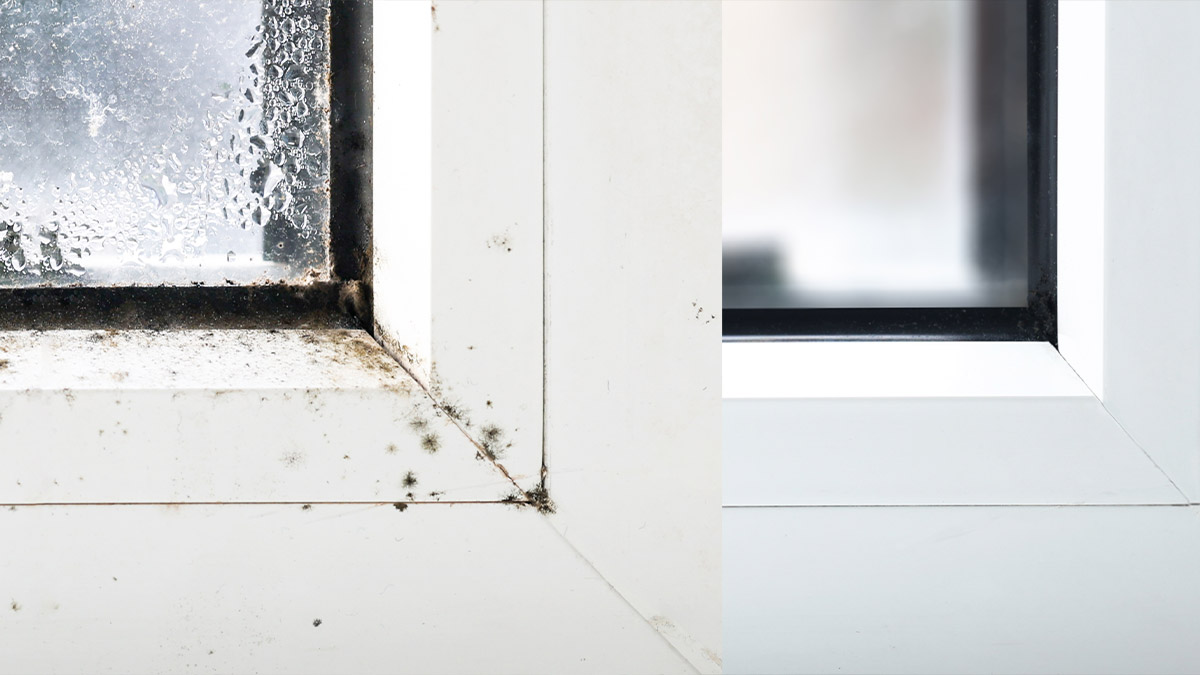
Finding mold is stressful, but the plan forward is usually simple: stop the moisture, limit exposure, remove the contaminated materials correctly, then rebuild in a way that keeps mold from coming back. Below is a practical, step-by-step checklist you can follow after a mold detection in a home, apartment, office, or rental property.
Step 1: Do This First (The First 24 Hours)
- Do not disturb the area: Avoid scrubbing, pulling drywall, or running fans directly on visible growth until you know the scope. Disturbing mold can spread spores and debris.
- Document what you see: Take photos of visible growth, staining, wet materials, and any suspected leak points (helpful for contractors, landlords, or insurance conversations).
- Stop the water source: Fix active leaks, shut off water if needed, and address condensation sources like HVAC issues or unvented dryers.
- Reduce humidity: Run a dehumidifier and keep indoor humidity in the 30–50% range when possible.
- Protect high-risk people: If anyone in the home is experiencing symptoms or has asthma or immune concerns, consider limiting exposure and talking with a medical professional.
Step 2: Confirm Where the Mold Is Coming From (Not Just Where It’s Showing)
Mold is usually a symptom of a moisture problem. If you clean the surface but ignore the source, it often returns. Common sources include plumbing leaks, roof leaks, window failures, crawlspace moisture, HVAC/duct condensation, and bathroom subfloor moisture. If you want a quick “where to look next” list, read 5 Sneaky Places Mold Hides in Your Home.
Step 3: Decide DIY vs Professional Remediation
Small, surface-level mold on non-porous materials can sometimes be handled safely by a homeowner, but larger or complicated situations should be handled by professionals. As a general rule, the EPA considers “small” remediation to be under about 10 square feet, while medium and large jobs may require a remediation manager and more formal containment methods.
- Consider DIY only if: the affected area is small, the materials are non-porous, there is no sewage contamination, and the mold is not in an HVAC system.
- Call a pro if: the area is large, materials are heavily saturated, mold involves HVAC/ductwork, water damage was long-term, or anyone in the building is high-risk.
If you need help confirming scope and likely sources before you hire a remediation crew, start with a proper inspection. Learn more about our process here: Mold Inspections.
Step 4: Safe Mold Cleaning Basics (If It’s Truly a Small Job)
For small areas, focus on safe containment, personal protection, and thorough drying. These sources are helpful for safety and technique: EPA Mold Cleanup in Your Home, CDC Mold Cleanup Guidance, and OSHA Mold Guidance.
- Wear protection: at minimum gloves, eye protection, and a properly fitted N95 mask for most small cleanups.
- Use gentle methods: wipe or scrub non-porous surfaces with water and detergent, then dry completely.
- Do not paint over mold: “Sealing it in” without removal and drying often leads to return growth.
- Avoid risky chemical mixing: never mix bleach with ammonia or other cleaners.
Important: Porous materials like drywall, insulation, carpet padding, and ceiling tiles often cannot be “cleaned back to safe.” They are commonly removed and replaced when contaminated.
Step 5: Repairs and Rebuild (The Part That Prevents Mold From Returning)
Once contaminated materials are removed and the area is cleaned and dried, repairs should fix the moisture pathway and rebuild with better moisture control.
- Fix the root cause: plumbing repair, roof repair, window flashing, grading, crawlspace moisture control, or HVAC adjustments.
- Dry thoroughly before closing walls: rebuilding too soon can trap moisture behind new drywall.
- Improve ventilation: bath fans vented outside, kitchen ventilation, and better airflow in damp rooms.
- Replace materials smartly: consider moisture-resistant drywall in appropriate areas and proper insulation/vapor control for your climate and assembly.
Step 6: Post-Remediation Verification (How You Know It Worked)
After remediation and repairs, you want confidence that the affected areas are actually clean and that hidden sources were not missed. Verification can include a detailed visual inspection, moisture checks, and targeted follow-up testing depending on the situation.
If you suspect hidden mold (wall voids, subfloors, duct runs), a mold detection dog inspection can help pinpoint areas that deserve further investigation. Read: Benefits of Using a Mold Dog.
Step 7: Prevention Tips That Actually Make a Difference
- Keep indoor humidity controlled: aim for 30–50% when possible and use a dehumidifier in damp zones.
- Vent moisture outdoors: bathroom and kitchen exhaust fans should vent outside, not into attics.
- Handle leaks immediately: even slow drips can create chronic hidden growth.
- Watch “repeat offender” areas: basements, crawlspaces, behind washing machines, around windows, and HVAC closets.
- Use trusted tools and products: see our Recommended Products list for prevention and moisture control basics.
Health and Indoor Air Quality Notes
Mold exposure can irritate the eyes, skin, nose, throat, and lungs, and can be more severe for people with asthma, allergies, immune compromise, or chronic lung disease. If you’re noticing symptoms that improve when you leave the building, treat that as a signal to take action quickly.
For more on common household mold concerns, read Protect Your Health From Common Household Molds.
FAQs
Do I need to leave the house if mold is found?
Not always. It depends on the size, location, and whether anyone is high-risk. If symptoms are present, if contamination is extensive, or if work will create dust and debris, temporary relocation may be worth considering.
Should I use bleach on mold?
Bleach can disinfect certain hard, non-porous surfaces, but it is not always the best choice, and it does not solve moisture problems. For many situations, water and detergent plus thorough drying is the first-line approach for small surface cleanups.
How do I keep mold from coming back?
Fix the moisture source, keep humidity controlled, improve ventilation, and avoid rebuilding before the area is fully dry. Prevention is mostly moisture management.
What if I suspect hidden mold but can’t see it?
That is common. Mold often grows in wall voids, subfloors, around windows, and inside HVAC pathways. A targeted inspection can help confirm likely sources and next steps.
Need Help Confirming the Source or Scope?
Georgia Mold Mutts, LLC provides residential and commercial mold inspections with the help of our certified mold detection dog, Murphy. We’re based in the Atlanta area and can travel by appointment. If you want clarity on where the mold is coming from and what to do next, start here: Contact Us. You can also check current availability and travel windows on Travel Dates or review common questions on our FAQ page.
Want to keep learning? Visit the blog for more mold detection and prevention guides, or head back to the homepage to explore services and options like group mold inspection rates.

No comment